

What small-scale luxury cruises are there?
Small-ship luxury cruises are voyages on intimate vessels carrying no more than a few dozen passengers, where personalised service, exclusive destinations and an intimate atmosphere take centre stage. They set themselves apart from large cruise ships through their human scale: less crowding, more connection with the crew, and a sense of freedom that mass tourism simply cannot offer. In this article we answer the most frequently asked questions about small-ship luxury cruises, from costs to the choice between a sailing cruise and a motor yacht cruise.
What makes a cruise small-ship and luxury?
A cruise is small-ship when the vessel carries no more than a few dozen passengers, making personal contact and an intimate atmosphere a natural given. The luxury character lies not only in the material amenities, but also in the quality of the service, the attention to detail, and access to destinations that large ships simply cannot reach.
A small-ship luxury cruise is about the combination of exclusivity and experience. Think of a professional hospitality team ready to serve you, meals prepared by dedicated chefs on board, and the freedom to anchor in remote bays far from the tourist crowds. Large cruise ships cannot offer this: with thousands of passengers on board, personal attention is lost in anonymity.
Small scale also means the travel group stays compact. On most small luxury cruises you sail with a maximum of 20 to 50 fellow travellers, creating a sense of togetherness and tranquillity. You get to know your fellow passengers, the crew knows your name, and every day feels like a shared adventure rather than a mass-production experience.
What types of small-ship luxury cruises are there?
There are broadly three types of small-ship luxury cruises: sailing cruises on historic or modern sailing ships, motor yacht cruises on smaller superyachts or expedition vessels, and river cruises on boutique ships. Each type offers its own character and suits a different kind of traveller.
- Sailing cruises: Voyages on traditional or modern sailing ships where the passage itself is an experience. Think clipper ships, schooners or brigantines crossing the Caribbean or the Mediterranean.
- Motor yacht cruises: Smaller, luxurious motor yachts that travel quickly from destination to destination. Less romantic in terms of the passage itself, but often very comfortably appointed.
- Expedition cruises: Small ships that visit remote areas such as Norway, Antarctica or the Galápagos Islands. Adventure comes first, but luxury facilities are increasingly standard.
- Boutique river cruises: Small ships sailing through European or Asian rivers, with an intimate atmosphere and local cultural experiences.
The choice depends on what you are looking for: the romance of sailing, the speed of a motor yacht, or the unspoilt nature of an expedition voyage. For travellers who want to combine adventure and luxury, a sailing cruise on a historic ship is often the most distinctive choice.
What is the difference between a sailing cruise and a motor yacht cruise?
The biggest difference between a sailing cruise and a motor yacht cruise is the experience of the passage itself. On a sailing cruise the journey is part of the experience: hoisting the sails, feeling the wind and the rhythm of the sea make the voyage an adventure in its own right. On a motor yacht cruise the destination takes centre stage and the ship is primarily a comfortable means of transport.
The experience of sailing
On a sailing ship you travel on the power of the wind, which creates an entirely different connection with the sea. Authentic sailing ships such as traditionally rigged clippers still operate with manual systems for sails and helm, making the experience exceptional and unique. You can be actively involved in the sailing if you wish, or simply enjoy the spectacle of billowing sails above your head.
Speed and comfort of a motor yacht
A motor yacht cruise offers more flexibility in route and speed. You can visit multiple destinations in a short time, regardless of wind direction or weather conditions. The interiors of luxury motor yachts are often sleek and modern, with every contemporary comfort. For travellers who place the destination above the journey, this may be the preferred option.
Which destinations are popular for a small luxury cruise?
The most popular destinations for small-ship luxury cruises are the Caribbean, the Mediterranean, Norway and the Greek Islands. These regions combine stunning nature, secluded anchorages and rich culture, and are ideal for small ships that can reach places large cruise ships cannot.
The Caribbean is a classic choice: turquoise water, white beaches and islands such as Martinique, St. Lucia and the Grenadines are perfectly suited to a luxury sailing cruise. Sailing by day, anchoring in a quiet bay in the evening, and snorkelling or swimming in unspoilt nature.
The Mediterranean draws travellers with its combination of culture, culinary richness and beautiful coastal landscapes. From the Croatian islands to the Italian Amalfi Coast, small ships can anchor in fishing villages and historic harbours that are out of reach for large vessels.
Norway and the fjords are popular for expedition-style cruises, while the Greek Islands remain a timeless destination for travellers seeking peace, sunshine and culture.
How much does a small-ship luxury cruise cost on average?
The investment in a small-ship luxury cruise reflects the exclusivity of the offering: the intimate scale, the high level of service and the fully catered amenities together determine the pricing. Rates are tailored based on trip duration, ship type, cabin category and destination.
Factors that determine pricing include:
- Duration of the trip: A two-week cruise naturally costs more than a one-week cruise.
- Ship type and cabin: A private cabin on a historic sailing ship with full hospitality service falls into a different price range than a shared cabin on an expedition vessel.
- Destination: Far-flung destinations such as the Caribbean involve higher travel costs than a cruise in the Mediterranean.
- Inclusivity: Are meals, drinks and excursions included? With genuine luxury cruises, an all-inclusive formula is common.
On premium sailing cruises, such as those aboard historic three-masted clipper ships, pricing is exclusive and tailored to the unique character of the voyage. Contact us for a personal quote and discover what a fully catered cruise with a maximum of 28 fellow travellers and professional chefs on board means for you.
What should you look for when choosing a small-ship luxury cruise?
When choosing a small-ship luxury cruise, the most important considerations are the maximum number of passengers, the level of service on board, the inclusivity of the package and the authenticity of the experience. Not every “small cruise” is truly luxury, and not every luxury ship offers the intimate atmosphere you are looking for.
Pay particular attention to the following:
- Number of passengers: The fewer people on board, the more personal the experience. Look for ships with a maximum of 30 to 50 passengers for a truly intimate atmosphere.
- Crew and service: An engaged, friendly crew makes or breaks the experience. Read reviews and check whether the ship has a dedicated hospitality team.
- Inclusivity: Are meals, drinks and excursions included? Transparency about what is included prevents surprises.
- Ship type: Does the ship match the experience you are looking for? A historic sailing ship creates a very different atmosphere from a modern motor yacht.
- Sustainability: A growing number of travellers consider the environmental impact of their cruise. Ask about the fuel policy and sustainability measures of the operator.
- Route and destinations: Does the ship visit places you genuinely want to see, and are the anchorages remote enough to avoid the crowds?
Take the time to compare different operators and ask specifically what is included. A good small-ship luxury cruise is an investment, and it pays to be discerning before you book.
How Clipper Stad Amsterdam makes your luxury cruise unforgettable
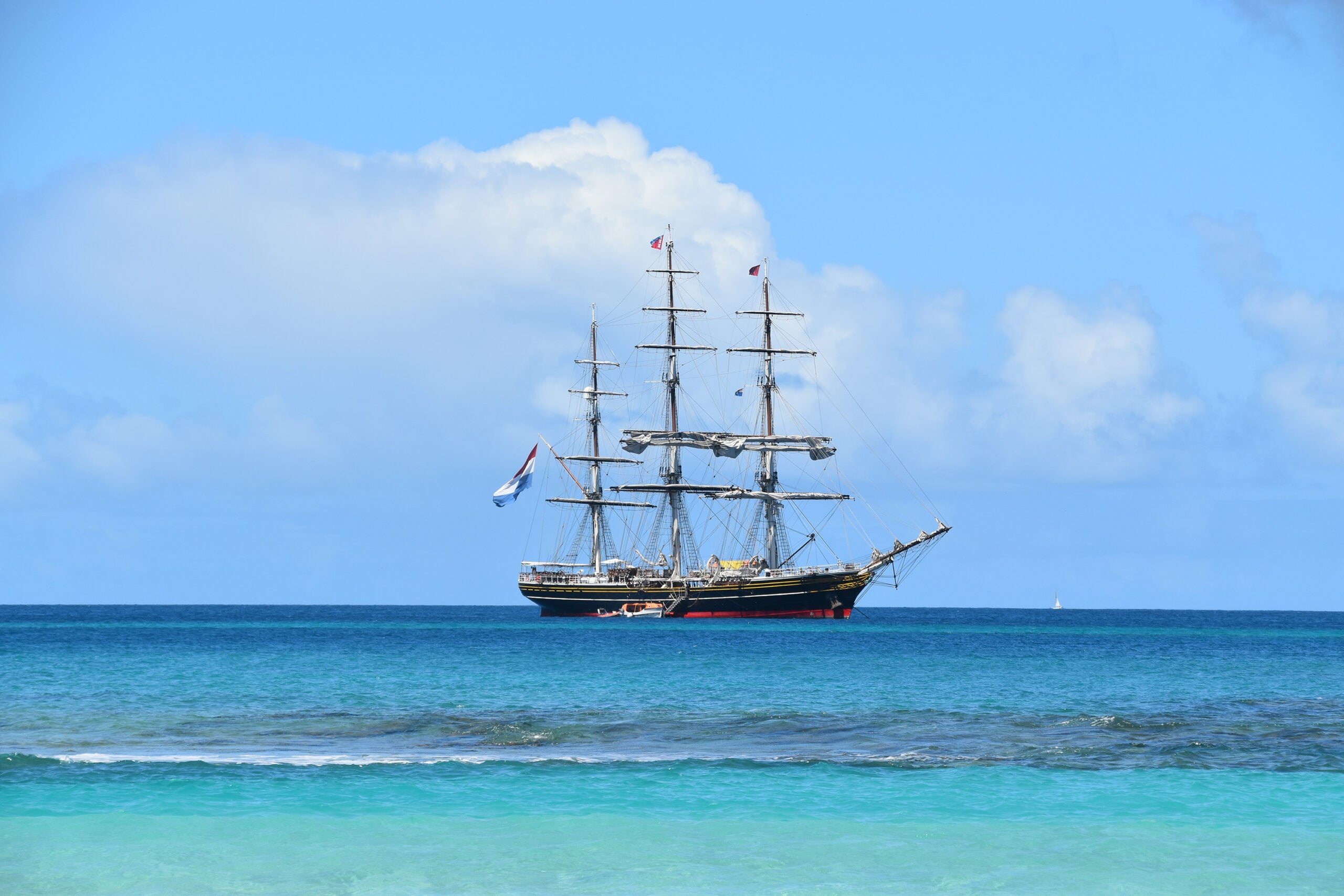
At Clipper Stad Amsterdam we offer a luxury sailing cruise that speaks directly to what discerning travellers are looking for: an intimate, adventurous cruise aboard an iconic three-masted clipper ship, far removed from the anonymity of large cruise ships.
This is what sets our cruise apart:
- A maximum of 28 passengers on board, across 14 cabins, for a true boutique hotel feeling at sea
- A full hospitality team available throughout your stay, including breakfast, lunch and dinner prepared by our own chefs
- Authentic sailing on a manually rigged clipper ship of 76 metres, with 31 sails and a sharp clipper bow
- Caribbean destinations: sailing by day, anchoring in secluded bays in the evening, snorkelling, day trips and relaxing on white beaches
- A young, dedicated crew that keeps the atmosphere on board personal and down-to-earth
- Sustainable sailing on HVO fuel wherever possible, for travellers who want to make conscious choices even while travelling
Ready to discover what a true luxury sailing cruise involves? View our voyages or get in touch for more information about the possibilities.
Frequently Asked Questions
Is een kleinschalige luxe cruise ook geschikt voor mensen die nog nooit hebben gevaren?
Absoluut. De meeste kleinschalige luxe cruises zijn uitstekend geschikt voor beginners. De bemanning begeleidt je stap voor stap en je hoeft geen zeilerservaring mee te brengen. Op schepen zoals de Stad Amsterdam kun je zo veel of zo weinig meedoen als je wilt: actief meehelpen met de zeilen, of gewoon genieten van het uitzicht en de sfeer aan boord.
Wat moet ik inpakken voor een kleinschalige luxe zeilcruise?
Pak licht en praktisch: denk aan luchtige kleding voor overdag, een warme laag voor de avonduren op zee, en stevige, niet-slippende schoenen voor aan boord. Vergeet zonnebrandcrème, een zonnehoed en een goede zonnebril niet. Controleer ook altijd de paklijst van de aanbieder, want op sommige schepen gelden specifieke richtlijnen voor bagageformaat vanwege de beperkte opslagruimte in de hutten.
Hoe ver van tevoren moet ik een kleinschalige luxe cruise boeken?
Vanwege het beperkte aantal plaatsen — soms slechts 20 tot 30 per schip — raden de meeste aanbieders aan om minimaal 6 tot 12 maanden van tevoren te boeken, zeker voor populaire periodes zoals de wintermaanden in het Caribisch gebied. Wie flexibel is, kan soms profiteren van last-minute aanbiedingen, maar de beste hutten en vertrekdata zijn doorgaans vroeg uitverkocht.
Wat als ik last heb van zeeziekte — is een zeilcruise dan nog geschikt voor mij?
Zeeziekte is een reële zorg voor veel reizigers, maar er zijn effectieve manieren om het te beheersen. Vrij verkrijgbare middelen zoals scopolamine-pleisters of tabletten met meclizine werken goed voor de meeste mensen. Kleine schepen bewegen inderdaad meer dan grote cruiseschepen, maar bij rustig weer en in beschutte baaien is er nauwelijks golfslag. Bespreek je gevoeligheid van tevoren met de aanbieder — zij kunnen je goed adviseren over de te verwachten weersomstandigheden op de geplande route.
Zijn kleinschalige luxe cruises ook geschikt voor koppels die een romantische reis zoeken?
Zeker. De intieme sfeer, afgelegen ankerplaatsen en persoonlijke service maken een kleinschalige luxe cruise bij uitstek romantisch. Denk aan dineren onder de sterrenhemel op het dek, zwemmen in een verlaten baai of een zonsondergang aanschouwen terwijl de zeilen bol staan in de wind. Sommige aanbieders bieden ook speciale arrangementen aan voor huwelijksreizen of jubilea — vraag hiernaar bij de boeking.
Hoe duurzaam zijn kleinschalige luxe cruises in vergelijking met grote cruiseschepen?
Kleinschalige cruises hebben over het algemeen een aanzienlijk kleinere ecologische voetafdruk dan grote cruiseschepen, simpelweg omdat ze minder passagiers vervoeren en kleinere motoren gebruiken. Zeilschepen die daadwerkelijk op windkracht varen, verbruiken bovendien nauwelijks brandstof tijdens de vaart. Steeds meer aanbieders stappen ook over op duurzamere brandstoffen zoals HVO, en vermijden bewust overvolle toeristische havens ten gunste van afgelegen, kwetsbare natuur.
Kan ik een kleinschalige luxe cruise ook als groep of voor een privéreis boeken?
Ja, veel aanbieders van kleinschalige luxe cruises bieden de mogelijkheid om het hele schip exclusief te huren voor een groep, bedrijfsevenement of privéreis. Dit is ideaal voor bijzondere gelegenheden zoals een jubileum, familiebijeenkomst of bedrijfsuitje. De prijsstelling voor een volledige charter is exclusief en volledig op maat — neem contact op voor een persoonlijke offerte en een programma dat naadloos aansluit bij uw wensen.