

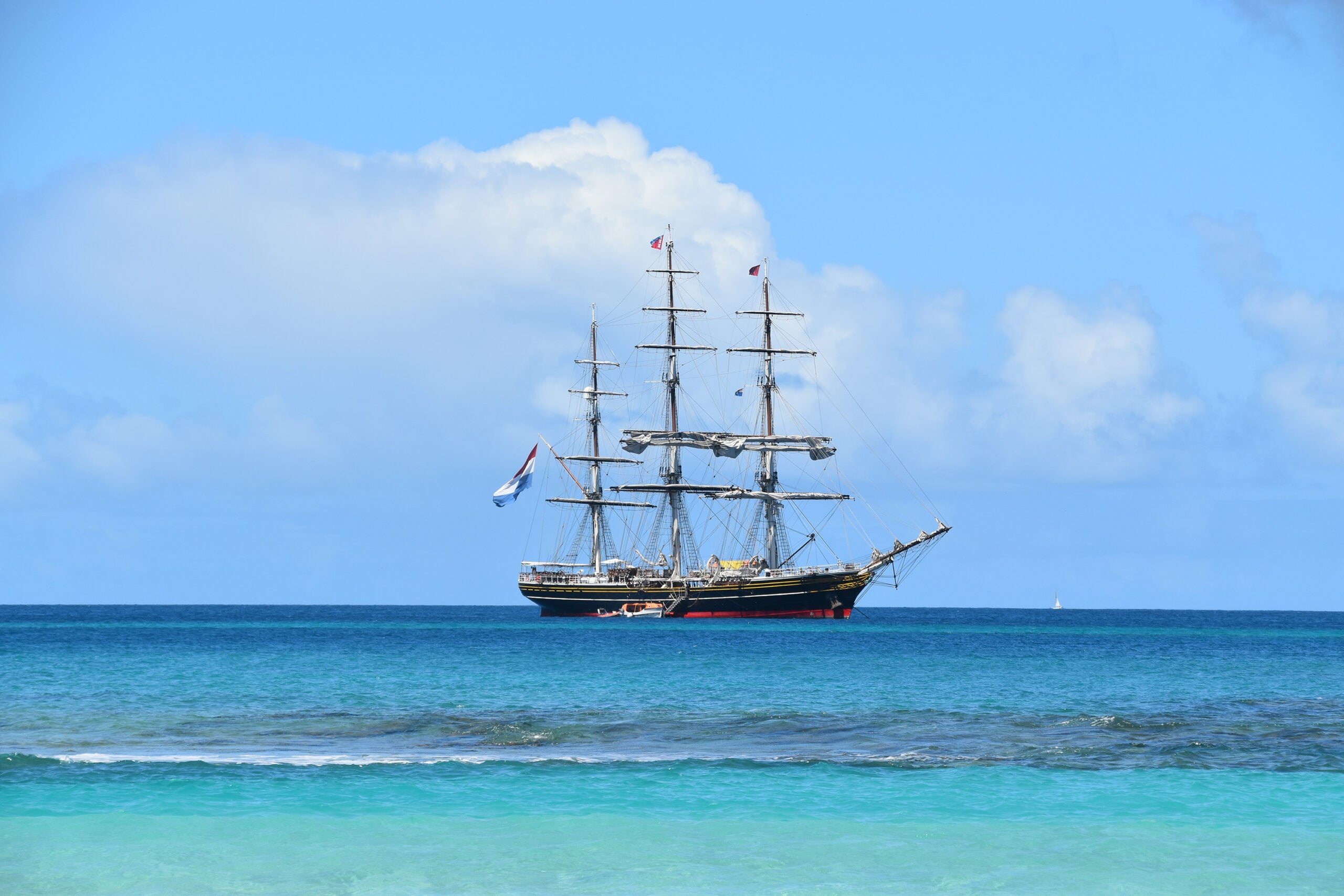
What is the largest traditional sailing ship in the world?
The world’s largest traditional sailing ship is the Sedov, a Russian four-masted barque measuring 117 metres in length that has been sailing since 1921. Other contenders for the title include the Kruzenshtern and the Moshulu, both impressive steel vessels from the early twentieth century. In this article we answer the most frequently asked questions about large traditional sailing ships: from the differences between them to whether you can sail on one yourself.
Which sailing ships are considered the largest in the world?
The largest traditional sailing ships in the world are the Russian four-master Sedov (117 metres), the Kruzenshtern (114 metres) and the Moshulu (98 metres). These vessels are also known as tall ships and stand out for their enormous rigging, multiple masts and hundreds of square metres of sail. They were built in the late nineteenth or early twentieth century and most are still sailing today.
Alongside these giants, there are also younger vessels that make a strong impression. The Royal Clipper, a modern five-masted ship built in 2000, is at 134 metres technically longer than the Sedov, but is regarded as a cruise ship with sailing rigging and is not always considered a traditional sailing ship by purists. The boundary between “traditional” and “modern” is therefore not always clear-cut.
What all these ships have in common is their historic rigging: square sails on crossyards, a sharp bow and an imposing presence at sea. They represent an era of sailing in which speed, wind power and craftsmanship determined everything.
What is the difference between a clipper, a barque and a frigate?
A clipper, a barque and a frigate are different types of sailing ship, distinguished from one another by their rigging and hull. A clipper has a sharp, fast hull with fully square rigging on all masts and is designed for maximum speed. A barque has fore-and-aft rigging on its aftermost mast instead of square sails, which keeps the crew size smaller. A frigate is a historic ship class with three masts and fully square rigging, originally used as a warship.
The clipper: built for speed
Clippers were developed in the nineteenth century for fast passage on long routes, such as the tea route from China or the wool route from Australia. Their sharp underwater hull and tall sail plan made them the fastest ships of their time. The rigging consists of square sails on all masts, supplemented by jibs and staysails for extra drive in favourable winds.
The barque: efficient and versatile
A barque resembles a clipper, but the aftermost mast is fitted with fore-and-aft rigging — that is, sails that run along the longitudinal axis of the ship rather than across it. This makes the vessel slightly slower on downwind courses, but considerably easier to handle with a small crew. Many of the large tall ships still sailing today are barques.
How fast can large traditional sailing ships travel?
Large traditional sailing ships average 8 to 12 knots (approximately 15 to 22 kilometres per hour) in favourable winds. The fastest historic clippers, such as the Cutty Sark and the Thermopylae, reached peak speeds of 17 to 18 knots in stormy conditions. Modern tall ships with a well-designed hull can achieve comparable speeds, depending on wind strength and heading.
Speed on sailing ships depends strongly on wind direction and sail configuration. In a fair wind, where the wind comes from behind or to the side, clippers can set their full sails and make maximum speed. When sailing into the wind they must tack, which considerably reduces average speed.
A good example of modern sailing performance is the Clipper Stad Amsterdam, which achieves 15 knots in favourable conditions and won the Cutty Sark Tall Ships’ Race in 2001. This shows that a well-built modern clipper ship can fully match the performance of its historic predecessors.
Can you sail on a traditional sailing ship?
Yes, you can travel as a passenger on a traditional sailing ship. Various organisations and shipping companies offer voyages on which you board a tall ship or historic sailing vessel as a paying guest. Experiences range from simple day trips to multi-day ocean crossings and luxury cruises in the Caribbean. No sailing experience is required to come aboard.
The range of options varies considerably in comfort and style. Some ships are simply fitted out and focused on adventure, with passengers actively helping to sail the vessel. Others offer a boutique hotel experience on board, with private cabins, prepared meals and a professional hospitality team.
Things to consider when choosing a sailing voyage:
- Group size: smaller ships offer a more intimate experience than large cruise ships
- Comfort: check whether there are private cabins or whether you share a cabin
- Destination: from the Mediterranean to the Caribbean, the route largely determines the atmosphere
- Authenticity: some ships sail entirely on wind power, others use engines as a supplement
- Sustainability: a growing number of shipping companies are switching to cleaner fuels such as HVO
Sail on an iconic clipper ship with Clipper Stad Amsterdam
Would you like to experience sailing on an authentic traditional sailing ship for yourself? Clipper Stad Amsterdam offers exactly that. On board this three-masted clipper ship, which won the Cutty Sark Tall Ships’ Race in 2001, we sail to the most beautiful destinations in the Caribbean. During the day you sail the open sea with 2,200 square metres of sail above your head; in the evening we anchor in a secluded bay.
What sets the luxury sailing cruise apart from other voyages:
- A maximum of 28 guests on board, spread across 14 private cabins
- Fully catered: breakfast, lunch and dinner prepared by our chefs
- Authentic hands-on sailing, handled by a young and dedicated crew
- Activities such as snorkelling, day trips ashore and relaxing on white-sand beaches
- Sails on HVO wherever possible, a more sustainable fuel
Our cruises are exclusively priced, tailored to the season, the chosen cabin and the duration of travel. Contact us for a personal quote, or book your voyage directly online for more information about availability and what is on offer.
Frequently Asked Questions
Heb ik zeilerervaring nodig om mee te varen op een tall ship zoals de Stad Amsterdam?
Nee, zeilerervaring is niet vereist. De professionele bemanning zorgt voor de navigatie en het bedienen van de zeilen. Als gast kun je naar eigen wens actief meehelpen of gewoon genieten van de vaart. Een goede fysieke conditie en een open houding zijn de enige echte vereisten.
Wat is het verschil tussen een tall ship cruise en een gewone cruise?
Een tall ship cruise biedt een veel intiemere en authentiekere ervaring dan een reguliere cruise. In plaats van duizenden passagiers op een groot motorschip, vaar je met een kleine groep op een historisch zeilschip dat daadwerkelijk op windkracht vaart. De sfeer is avontuurlijker, de bestemmingen zijn vaak afgelegen, en het contact met de bemanning en medegasten is persoonlijker.
Kan ik last krijgen van zeeziekte op een groot traditioneel zeilschip?
Zeeziekte is mogelijk, ook op grote zeilschepen, zeker bij ruwe zee of bij het laveren tegen de wind in. Grotere schepen zoals de Stad Amsterdam bewegen over het algemeen stabieler dan kleine jachten, maar enige beweging blijft aanwezig. Het helpt om preventief medicatie te nemen, frisse lucht op te zoeken en een horizonlijn in het oog te houden; de meeste mensen wennen na één à twee dagen aan het bewegingspatroon van het schip.
Wanneer vinden de grote tall ship evenementen en races plaats, en kan ik die bijwonen?
De bekendste evenementen zijn de jaarlijkse Tall Ships Races, georganiseerd door Sail Training International, die elk zomer in Europese havensteden plaatsvinden. Daarnaast is er het grootschalige SAIL Amsterdam, dat eens in de vijf jaar wordt gehouden en honderdduizenden bezoekers trekt. De schepen liggen tijdens zulke evenementen aangemeerd in de haven en zijn vaak gratis te bezichtigen vanaf de kade.
Hoe worden grote traditionele zeilschepen tegenwoordig onderhouden en gefinancierd?
De meeste historische tall ships worden onderhouden door een combinatie van overheidsubsidies, stichtingen, sponsoring en inkomsten uit passagiersvaart of charter. Schepen als de Sedov en de Kruzenshtern worden beheerd door Russische maritieme opleidingsinstituten en dienen als trainingsschip voor cadetten. Privaat geëxploiteerde schepen zoals de Stad Amsterdam dekken hun kosten grotendeels via cruisereizen en evenementenverhuur.
Wat moet ik inpakken voor een meerdaagse reis op een traditioneel zeilschip?
Pak laagjes kleding in, want het weer op zee kan snel wisselen, zelfs in warme bestemmingen zoals de Caraïben. Niet-slippende, zachtzolen schoenen zijn verplicht aan boord om het dek te beschermen en veilig te bewegen. Vergeet verder zonnebescherming, een windbestendige jas, en eventueel medicatie tegen zeeziekte niet; de rederij informeert je doorgaans vooraf over specifieke kledingadviezen en wat aan boord beschikbaar is.
Zijn er duurzame alternatieven voor traditionele scheepsbrandstoffen op moderne tall ships?
Ja, steeds meer rederijen schakelen over op duurzamere alternatieven. HVO (Hydrotreated Vegetable Oil) is momenteel een van de meest gebruikte vervangers voor conventionele dieselolie en stoot tot 90% minder CO₂ uit. Schepen als de Stad Amsterdam varen waar mogelijk al op HVO, en de sector onderzoekt daarnaast waterstof en hybride aandrijving als toekomstige opties voor schonere vaart.