

What does a cruise cost on average per day?
A cruise holiday covers a broad spectrum of price levels, depending on the type of ship, the destination, and the level of service included. Budget cruises on large ships sit at the lower end of that spectrum, while boutique and sailing cruises with a high level of service carry a more exclusive price tag. But the rates rarely tell the whole story: what is and is not included ultimately determines what you actually pay.
What determines the daily price of a cruise?
The daily price of a cruise is determined by a combination of ship type, cabin category, trip duration, season, and destination. The more exclusive the ship and the more service is included, the higher the price per day. Understanding which factors drive the price allows you to compare more effectively and make more informed choices.
The most important pricing factors are:
- Ship type and size: Large cruise ships carrying thousands of passengers can offer low base prices through economies of scale. Smaller, boutique-style ships offer more personal service but have higher costs per passenger.
- Cabin category: An interior cabin on a large ship costs a fraction of a sea-view suite. The choice of cabin has the greatest direct impact on the daily price.
- Destination and season: Popular destinations such as the Caribbean are more expensive during peak season than in the shoulder months. European cruises generally carry a different price structure than transoceanic voyages.
- Included services: Some cruises are all-inclusive, covering drinks, excursions, and gratuities. With others, you pay for all of these separately, meaning the actual daily price can be significantly higher than the advertised rate suggests.
- Trip duration: Longer voyages often have a lower daily price than short weekend cruises, as fixed costs are spread across more days.
How much does a standard cruise cost per day on average?
Rates for a standard cruise vary considerably by ship type, cabin category, and the level of services included. Anyone wanting a complete picture of total travel costs would do well to look beyond the base price and consider what is actually included.
In practice, the pricing landscape looks like this:
- Budget cruises: Typically on large mass-market ships with basic facilities and many paid extras on board. Contact the provider for current rates.
- Mid-range cruises: With a broader range of included services and more comfortable accommodation. Pricing varies considerably by season and trip duration.
- Premium and luxury cruises: Exclusive rates tailored to the individual, with a high level of service, smaller groups, and more included activities and meals. Ask for a personal quote for an honest overall picture.
Bear in mind that rates vary considerably by travel period. Early bookers and guests who get in touch in good time generally benefit from the best availability and the most suitable offers.
Which hidden costs increase the price of a cruise?
The most common hidden costs on a cruise are gratuities, drinks packages, shore excursions, Wi-Fi usage, and port taxes. Many cruise lines do not include these costs in the advertised price, meaning the actual total can be significantly higher than expected.
These are the costs that most frequently catch travellers off guard:
- Gratuities: Large cruise lines charge a fixed daily gratuity per person, added automatically to your account. With some providers this can add up quickly.
- Drinks: Alcoholic beverages are rarely included in the base price. A drinks package costs extra, or you pay per item consumed.
- Shore excursions: Organised excursions through the cruise line are generally expensive. Arranging something independently is cheaper, but not always possible at more remote destinations.
- Wi-Fi and communication: Internet access on board is a paid service on most large ships, and the quality is variable.
- Port taxes and fuel surcharges: These are sometimes listed separately at the time of booking, but can also appear later in the booking process.
- Spa, sports, and speciality restaurants: Activities and dining options outside the standard programme cost extra.
Anyone wanting to compare the total cost of a cruise holiday would do well to always ask exactly what is included before using the daily price as a benchmark.
What is the difference in cost between a large cruise line and a sailing cruise?
A large cruise line offers lower entry prices but charges many extras separately, while a sailing cruise on a boutique ship generally carries a more exclusive all-in pricing structure in which meals, service, and a personal experience are included. The difference lies not only in the price, but also in what you get for that money.
Large cruise ships: low entry price, many extras
Mass-market cruise ships carry hundreds to thousands of passengers at a time. The scale makes low base prices possible, but the business model is built on additional revenue on board. Think casinos, speciality restaurants, drinks packages, and paid excursions. The atmosphere is often anonymous, the programme is busy, and the connection with the sea and the destination is limited.
Sailing cruises: exclusive pricing, more included, and a different experience
On a luxury sailing cruise, rates carry a premium positioning, but that amount typically covers a considerably larger portion of your total travel experience. With a maximum of 28 passengers on board, meals prepared by a chef, and a crew that knows you by name, the relationship between price and experience is fundamentally different. There are no thousands of fellow passengers, no queues, and no anonymity. Rates are higher, but the list of unexpected additional costs is much shorter.
When is a luxury cruise worth it?
A luxury cruise is worth it when you are looking for more than an inexpensive holiday: when the experience, the company, and the personal service take centre stage, and when you are willing to pay for something you will not find anywhere else. For travellers who have outgrown large ships and anonymous all-inclusive resorts, a luxury cruise offers a fundamentally different way of travelling.
A luxury cruise justifies its exclusive pricing in the following situations:
- You want a small, intimate group of fellow passengers rather than an anonymous crowd.
- You value personal service and a crew that pays attention to who you are.
- You want to reach destinations inaccessible to large ships, such as secluded bays and smaller islands.
- You are looking for an all-in experience in which meals, drinks, and activities are included with no surprises on the final bill.
- You want a holiday that gives you a story to tell, not just a list of ticked-off sights.
The exclusive rates reflect a different philosophy of travel: fewer passengers, more attention, and a destination you truly experience rather than merely visit.
How Clipper Stad Amsterdam approaches the cruise holiday differently
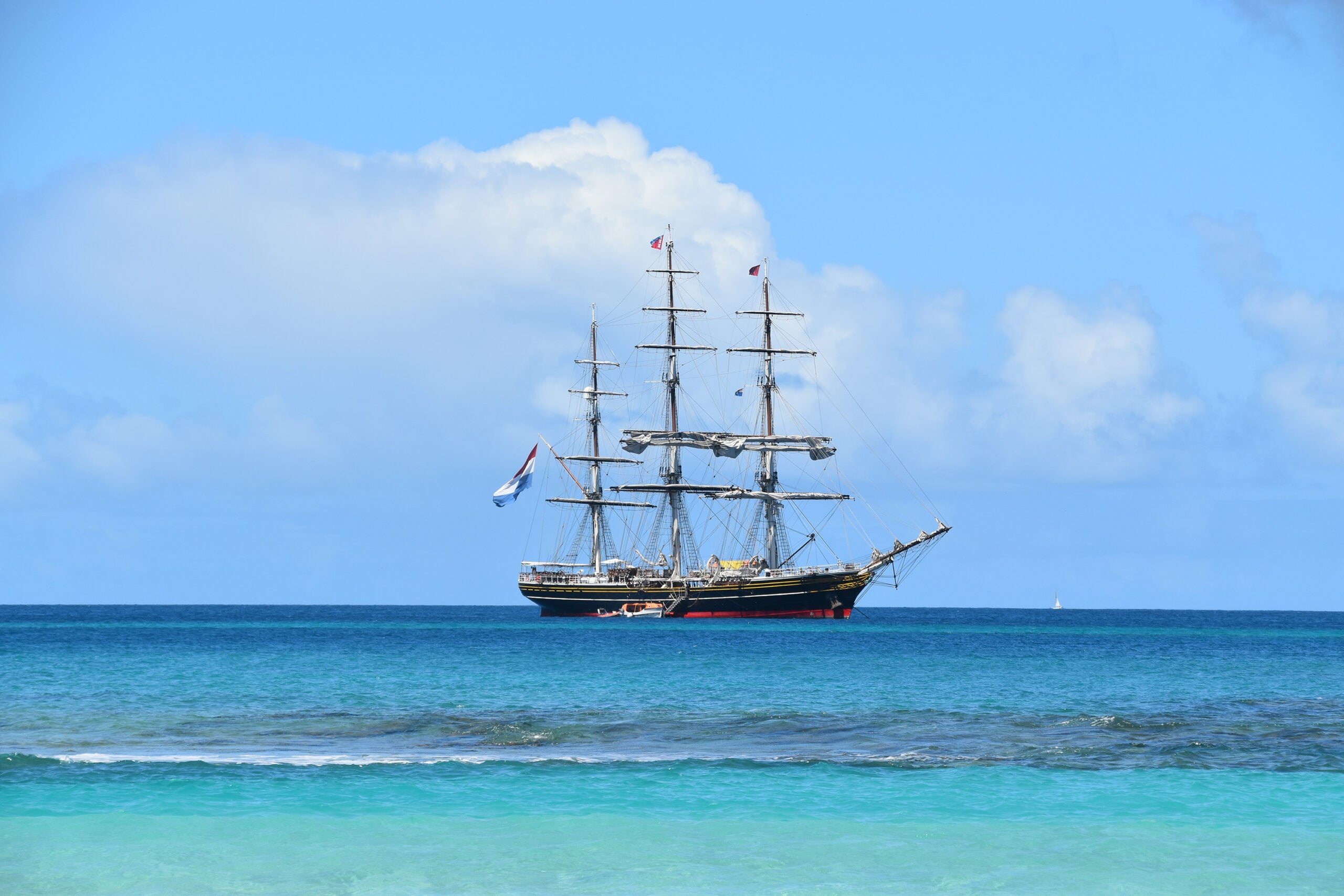
Clipper Stad Amsterdam offers a luxury sailing cruise that deliberately sets itself apart from everything you know about traditional cruise lines. On board our three-masted clipper ship, you travel with a maximum of 28 guests, guaranteeing an intimate and personal atmosphere that cannot be found on any large cruise ship.
What sets our cruise holiday apart:
- All-in service: Breakfast, lunch, and dinner prepared by our chefs are included. No hidden costs, no surprises.
- Authentic sailing: During the day we sail with the wind; in the evenings we anchor in secluded bays. That is an experience no motor vessel can offer.
- Small group, genuine connection: With 14 cabins and a maximum of 28 passengers, the crew knows you by name and there is always room for personal contact.
- Activities that matter: Snorkelling, day trips ashore, and relaxing on white beaches, without the crowds of mass tourism.
- Tailored rates: A premium product in which pricing depends on season, cabin category, and trip duration. Get in touch for a personal quote.
Curious about what a cruise on board Clipper Stad Amsterdam could mean for you? Book your voyage or get in touch for more information about the possibilities.
Frequently Asked Questions
Hoe ver van tevoren moet ik een cruise boeken om de beste prijs te krijgen?
Voor de meeste cruises geldt dat vroegboekkorting het meest oplevert wanneer je 6 tot 12 maanden van tevoren boekt, vooral voor populaire bestemmingen en reisperiodes. Last-minute aanbiedingen kunnen ook aantrekkelijk zijn, maar bieden minder keuzevrijheid in cabincategorie en reisdatum. Voor kleinere, exclusievere cruises zoals een luxe zeilcruise met beperkte beschikbaarheid is vroeg boeken vrijwel altijd de slimste strategie.
Wat is een realistisch totaalbudget voor een cruise van één week?
Voor een week op een middenklasse cruiseschip moet je rekening houden met een totaalbudget dat sterk varieert per scheepstype, cabincategorie en inbegrepen diensten. De advertentieprijs dekt vaak maar een deel van wat je daadwerkelijk uitgeeft. Bij een all-inclusive luxe zeilcruise is de instapprijs hoger, maar zijn de bijkomende kosten minimaal, waardoor het totaalplaatje eerlijker vergelijkbaar is. Neem contact op voor een persoonlijke offerte die aansluit bij jouw reisplannen.
Is een drankenpakket op een grote cruise altijd de moeite waard?
Een drankenpakket is financieel interessant als je regelmatig alcoholische dranken of specialiteitsdrankjes consumeert. Drink je weinig alcohol of breng je de helft van de reis aan land door, dan is per consumptie betalen vaak voordeliger. Vergelijk altijd de tarieven van het pakket met je verwachte verbruik voordat je automatisch akkoord gaat.
Wat zijn de grootste fouten die mensen maken bij het vergelijken van cruiseprijzen?
De meest gemaakte fout is het vergelijken van advertentieprijzen zonder rekening te houden met wat er inbegrepen is. Een lage dagprijs kan na het optellen van fooien, dranken, wifi en uitstapjes aanzienlijk hoger uitvallen. Vergelijk altijd de totale verwachte reiskosten en vraag expliciet naar de lijst met inbegrepen en uitgesloten diensten voordat je een beslissing maakt.
Kan ik zelf uitstapjes regelen in plaats van via de cruisemaatschappij, en is dat veilig?
Zelf uitstapjes regelen is in de meeste populaire havensteden goed mogelijk en kan aanzienlijk voordeliger zijn dan georganiseerde excursies via de cruisemaatschappij. Het belangrijkste risico is tijdsbeheer: als je zelfgeorganiseerde uitstap uitloopt, wacht het schip niet op je. Op afgelegen of minder toegankelijke bestemmingen, zoals kleine eilanden die alleen per tender bereikbaar zijn, is een georganiseerde excursie soms de enige praktische optie.
Voor wie is een luxe zeilcruise minder geschikt?
Een luxe zeilcruise is minder geschikt voor reizigers die behoefte hebben aan een uitgebreid entertainment- en activiteitenprogramma, zoals shows, casino’s en waterparken aan boord. Ook wie last heeft van zeeziekte kan beter kiezen voor een groot, stabiel motorschip. Families met jonge kinderen of reizigers die op zoek zijn naar een anonieme, laagdrempelige vakantie vinden op een klein schip met 28 passagiers mogelijk minder de vrijheid die ze zoeken.
Hoe verschilt de ervaring van een zeilcruise van een gewone cruise qua dagindeling?
Op een zeilcruise is het ritme van de dag bepaald door wind, getij en bestemming in plaats van door een strak entertainmentschema. Overdag zeilt het schip naar afgelegen baaien waar je kunt snorkelen, zwemmen of aan land gaan; ‘s avonds ankert het schip op rustige plekken ver van massatoerisme. Er zijn geen wachtrijen, geen vaste eettijden met honderden medepassagiers en geen druk programma — de vaart zelf is een wezenlijk onderdeel van de beleving.