
Is all-inclusive cheaper?
All-inclusive travel is not automatically cheaper than other types of holidays. Whether you actually save money depends heavily on your travel habits, your destination, and what you want to experience. For travelers who drink a lot, rarely venture off the resort, and are staying at a budget-friendly destination, all-inclusive can be a great deal. But if you’re looking for adventure and want to explore your surroundings, you’ll quickly end up paying for services you barely use. In this article, we answer the most frequently asked questions about all-inclusive travel so you can make an informed decision.
What exactly is included with all-inclusive?
With an all-inclusive holiday, meals, drinks, and a selection of activities are included in the price. In practice, this typically means three meals a day, local beverages, and access to the pool and entertainment program. Exactly what’s covered varies significantly between resorts and price tiers.
In reality, there’s a big difference between budget and higher-end all-inclusive packages. At budget resorts, international brands, room service, and certain restaurants are often excluded. Premium all-inclusive can also include wellness facilities, excursions, and top-shelf drinks. It’s therefore essential to read the fine print before you book.
- Breakfast, lunch, and dinner at buffets or selected restaurants
- Local alcoholic and non-alcoholic drinks during set hours
- Use of the pool, beach, and sports facilities
- Basic entertainment and activities program
- Exclusions: off-resort excursions, international drinks, beauty salon, room service
When is all-inclusive genuinely cheaper?
All-inclusive is financially worthwhile when you spend most of your time at the resort and make full use of the included services. Particularly in countries where food and drink are relatively expensive for tourists — such as Turkey, Mexico, or the Dominican Republic — the package can quickly pay for itself.
The math is straightforward: if you average three meals a day and several drinks, daily expenses outside the resort add up fast. Factor in the inconsistent quality of local restaurants and the comfort of a fixed price, and all-inclusive becomes increasingly appealing.
All-inclusive is most cost-effective for:
- Families with children who eat and drink a lot
- Travelers who prefer to stay by the pool or beach
- Those visiting destinations with higher local prices for tourists
- People who value relaxation and predictability over exploration
What are the hidden costs of all-inclusive?
All-inclusive travel comes with a number of hidden costs that can significantly increase the total price. Tips for staff, off-resort excursions, premium drinks, and spa treatments are almost always excluded from the package. Flights, transfers, and travel insurance are never included either.
Many guests underestimate how quickly these extras add up. A day trip, a bottle of wine outside the buffet, a massage, or a private beach experience can all push your overall spend well beyond expectations. On top of that, with all-inclusive you are always paying for the security of a fixed price — even if you don’t fully use those services.
Common additional costs:
- Tips for housekeeping, bartenders, and other staff
- Excursions and day trips off the resort
- Premium drinks or branded wines outside the standard package
- Room service and special restaurant evenings
- Wi-Fi (not always included at budget resorts)
- Flights, transfers, and baggage fees
What are the downsides of all-inclusive beyond the cost?
Beyond the financial side, all-inclusive travel has a number of genuine drawbacks. The most commonly cited is the sense of anonymity and the lack of real connection with your destination. You’re staying in a self-contained environment, eating and drinking on a fixed schedule, and having little contact with the local culture, people, or landscape.
Large all-inclusive resorts can feel like a bubble: everything is there, but everything is also the same. The experience is predictable and rarely personal. For travelers seeking adventure, authenticity, or a sense of freedom, this concept falls short.
Other drawbacks include:
- Limited flexibility in timing and activities
- Overcrowded facilities during peak season
- Minimal interaction with the local environment and community
- Risk of overconsumption driven by the “everything’s paid for” mentality
- A repetitive offering that delivers little surprise or genuine experience
What alternatives offer more value for the same budget?
For a comparable investment, there are alternatives that offer a richer, more personal experience. Consider a small-scale boutique cruise, a road trip with locally-run accommodations, or a sailing voyage where meals and guided experiences are included. These options combine genuine service with real discovery and a connection to your surroundings.
The difference isn’t just in what you get, but in how you experience it. A small-group trip with an attentive team, an authentic setting, and room for adventure creates memories that a pool bar or entertainment program simply can’t match. For travelers who value experience over quantity, an alternative arrangement is often the better choice.
Things to consider when choosing an alternative:
- How personal do you want the service to be? Small-group travel makes a real difference
- Do you want to truly get to know your destination, or is simply being there enough?
- Is having meals and drinks included a priority for you?
- Do you care about sustainability and leaving a smaller footprint?
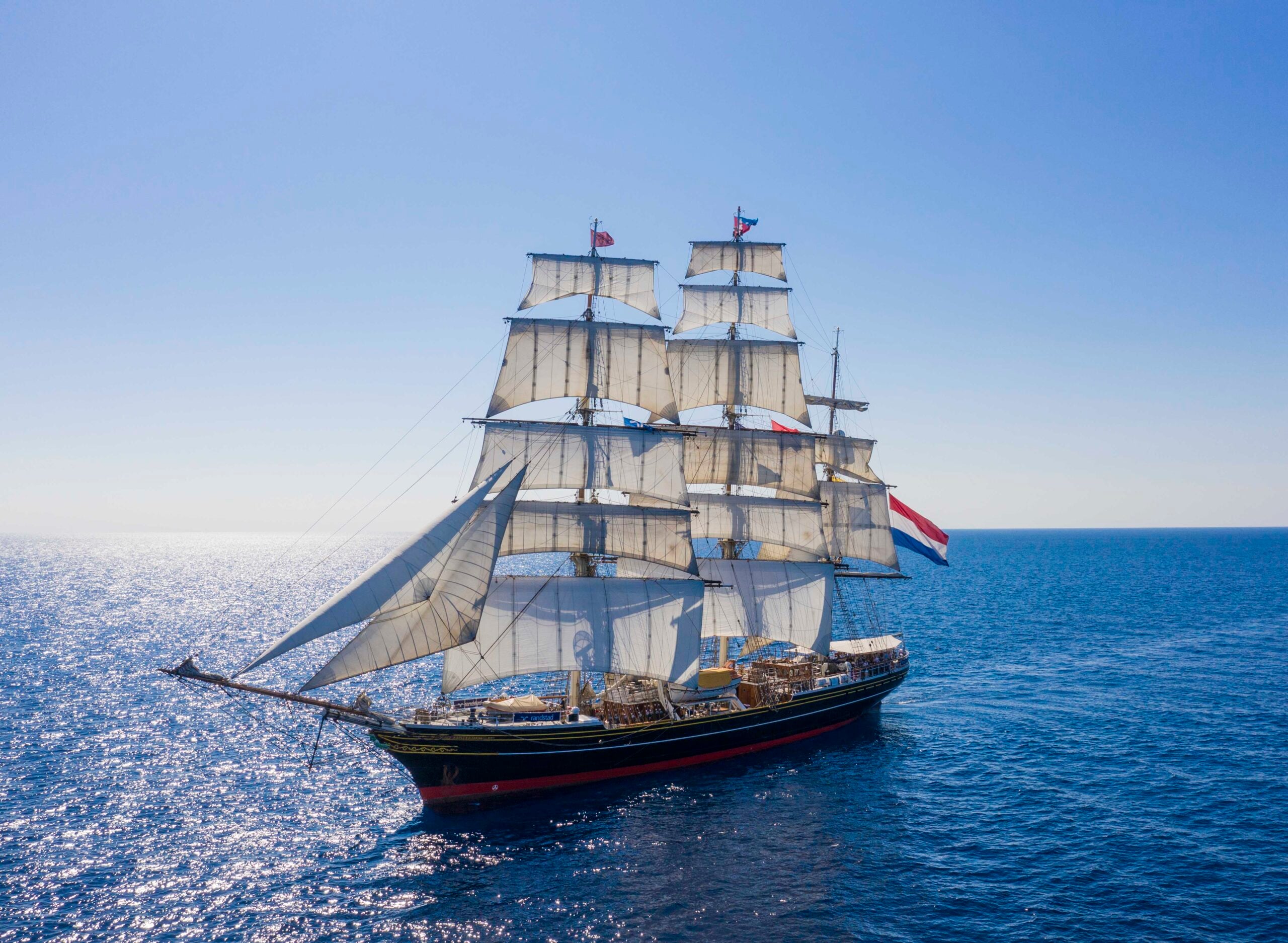
How Clipper Stad Amsterdam offers a compelling alternative
We understand exactly what travelers are looking for when they’ve outgrown the standard all-inclusive model. On board Clipper Stad Amsterdam, we combine everything an all-inclusive holiday promises but rarely delivers: meals and drinks included, a dedicated team ready to help, and a truly extraordinary setting. But on a 76-meter tall ship, with a maximum of 28 guests and a destination you genuinely experience.
What sets our luxury sailing cruises apart:
- Breakfast, lunch, and dinner prepared by our on-board chefs
- A maximum of 28 guests across 14 cabins for an intimate, personal atmosphere
- Sailing by day, anchoring in secluded bays by evening
- Activities including snorkeling, day excursions, and relaxing on white-sand beaches
- A young, friendly, and attentive hospitality team throughout your entire stay
- Powered by HVO fuel where available, for a more conscious way to travel
Pricing is tailored to your voyage, suite category, and travel season. Contact us for a personal quote and let us help you find the journey that is truly right for you. You can also browse our voyages to discover what awaits on board.